

(Updated on 06 March 2026)
Hong Kong is currently facing one of the most rapid demographic shifts in the world. Government projections indicate that nearly one in four residents is aged 65 or above—a number expected to grow to one in three by 2041. With a generation reaching retirement and life expectancy continuing to rise, the demand for compassionate, skilled elderly care has never been higher.
For many families, hiring a domestic helper is the most sustainable way to provide 24/7 support at home. A helper can offer more than just physical assistance; they provide the companionship and safety that allow seniors to age with dignity in their own familiar environment.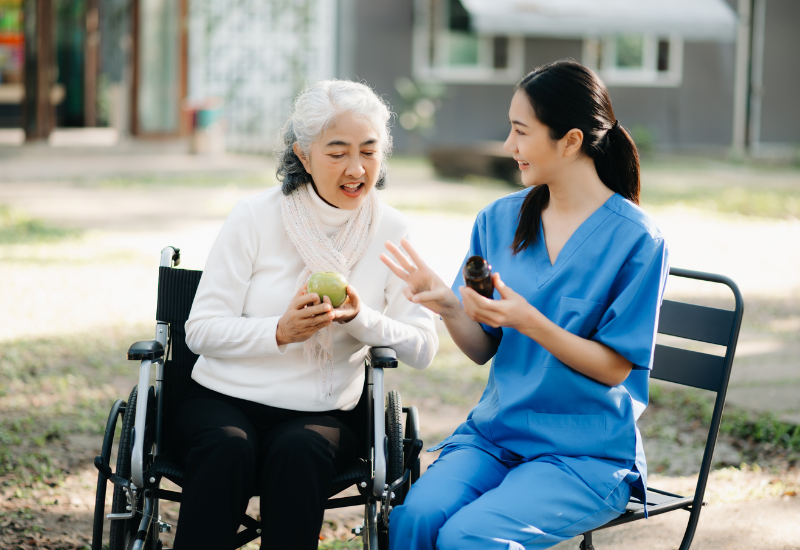
How a Domestic Helper Can Support Your Elderly Loved Ones
A domestic helper specializing in elderly care acts as a vital pillar of support. Their role often encompasses:
-
Personal Care & Hygiene: Assisting with bathing, grooming, dressing, and toileting to ensure dignity and prevent infection.
-
Mobility Support: Helping seniors move safely between the bed, chair, and wheelchair to prevent falls—a leading cause of injury in the elderly.
-
Medication Management: Providing reminders and organizing pillboxes. Note: Administering complex medical treatments usually requires professional nursing training.
-
Nutritional Support: Preparing healthy, diet-specific meals (e.g., low-sodium or soft-food diets) and assisting with feeding if necessary.
-
Vital Sign Monitoring: Keeping a daily log of blood pressure, temperature, and blood sugar levels.
-
Companionship & Cognitive Engagement: Combatting social isolation through conversation, games, and accompanying seniors on daily walks.
-
Safety Monitoring: Ensuring the home is free of hazards and acting as an immediate responder in case of an emergency.
How to Select the Right Helper for Elderly Care
Choosing a caregiver for an elderly parent is a deeply personal decision. In 2026, the hiring process should prioritize both technical skills and emotional compatibility.
1. Assess Specific Medical & Physical Needs
Does the senior have mobility issues, dementia, or a specific chronic condition like diabetes? Determining the level of care required—whether it’s simple companionship or complex physical lifting—will narrow your search.
2. Evaluate “Soft Skills”
Elderly care requires immense patience, empathy, and resilience. During the interview, ask situational questions: “How would you handle it if the elderly person refuses to take their medicine or becomes frustrated?”
3. Language & Cultural Fit
Communication is key to safety. Ensure the helper can communicate effectively in the senior’s preferred language (usually Cantonese or English).
4. Verify Training & Experience
Look for candidates who have completed recognized elderly care training courses or have a proven track record of caring for seniors in previous contracts.
Upskilling: Affordable Elderly Care Training For Domestic Helpers
Even an experienced helper can benefit from specialized training. The Social Welfare Department (SWD) continues to offer its highly regarded training program for FDHs.
SWD Training Course Highlights:
-
Core Skills: Lifting and transferring, fall prevention, first aid, and healthy meal planning.
-
Specialized Care: Recognizing signs of mental health issues and monitoring vital signs.
-
Course Fee: Approximately HK$200 per helper (subsidized).
-
Eligibility: Must be a hired FDH currently or soon-to-be caring for a frail elderly person.