

Updated 19 January 2026
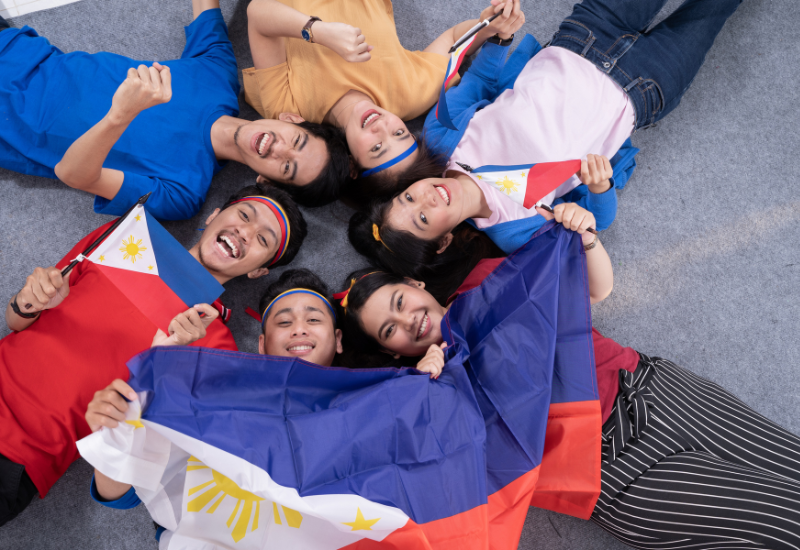
The year 1898 was a historic date for the Republic of the Philippines as it marked its independence from Spain. The Philippines have had a long history of being a colony as the nation was first under Spanish rule and then American influence – but also occupied for several years by the Japanese during World War II. After a few failed Spanish attempts to colonize the country starting in 1521 – the first Spanish expedition (led by explorer Magellan) landed in one of the numerous Filipino islands while in search for the route to the so-called ‘Spice Island’ – the Philippines came to be part of the Spanish Kingdom in 1565 with the first successful settlement by the Spanish Crown.
Independence from Spain in 1898 did not mean freedom. The Philippines still had a long way to go to get there. In 1899, after more than 300 years under Spanish rule, the Philippines – following the Spanish American War and the victory of the US –became part of the US. A few months later into 1899, Filipino revolutionaries organized themselves and declared war on the US. The 3-year war that they ended up losing did not, however, shatter the hopes and dreams of Filipinos to see their country become (one day) a free nation. After several years of turmoil and opposition between multiple revolutionary groups and the US, the Philippines were declared independent in 1946.
Since then, Philippine Independence Day has been celebrated in the Philippines every 12th of June but also by Filipinos in several countries all over the world with strong Filipino presence– including Hong Kong where the Filipino community is well-represented (according to estimates, almost 200,000 Filipino nationals are living in Hong Kong and most are working as Foreign Domestic Workers).
Direct Community Events in Hong Kong & Overseas
The emphasis this year extends beyond celebration — including community empowerment, employer-helper solidarity and diaspora connection.
In Hong Kong, the Filipino community holds flag-raising ceremonies, street parades, Masses and social events to mark the 128th anniversary of Philippine Independence. Events mix cultural performances, diaspora networking and social recognition of workers overseas.
How Employers Can Recognise Philippine Independence Day – A HelperChoice Guide
1. Acknowledge & Include
Mention the date with your Filipino helper:
- Wish them a “Happy Philippine Independence Day”
- Ask if they would like to participate in local community events
- If you’re based in Hong Kong, consider inviting them to join local Filipino-community gatherings
2. Respect Cultural Space
Recognise that this day might be meaningful for your helper:
- Allow flexible time off around the date if possible
- Encourage or enable them to attend local celebrations or church services
3. Build Connection Through Dialogue
Use the day as a bridge for better employer-helper understanding. Ask:
- What does this day mean to you?
- Would you like to share a traditional Filipino dish or music today?
- How can I support your cultural practices while you live away from home?
Conclusion
Philippine Independence Day is more than a date — it’s a moment of identity, heritage and diaspora belonging. For employers who work with Filipino domestic workers, acknowledging and respecting this day fosters trust, cultural respect and stronger home bonds.
At HelperChoice, we believe ethical employment isn’t only about contracts — it’s about culture, appreciation and inclusion.
👉 Explore our platform to connect with verified Filipino domestic helpers and build a respectful and inclusive home environment. Visit www.helperchoice.com.