

Updated 25 January 2026
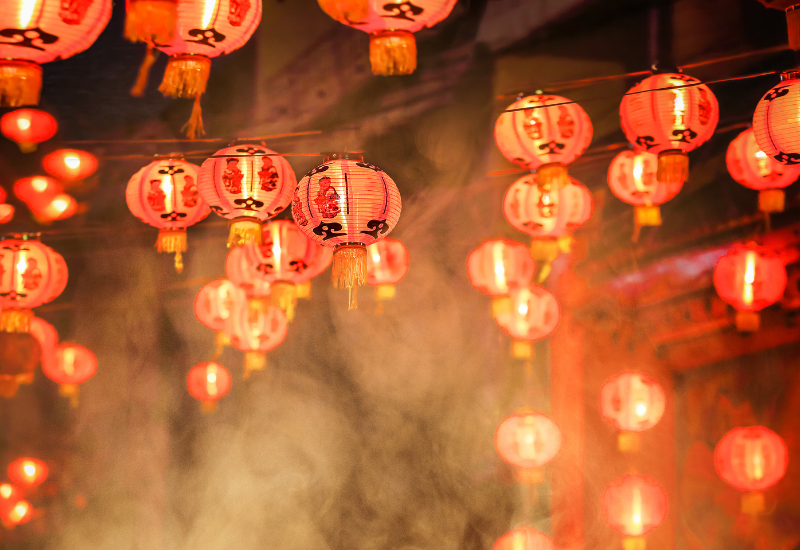
Celebrating Chinese New Year (CNY) in Hong Kong is steeped in traditions and customs designed to usher in luck, prosperity, and good health for the new year. If you’re participating in the festivities, it’s helpful to be aware of the dos and don’ts associated with the holiday to ensure you celebrate appropriately and respectfully. Here’s a guide to help you navigate the customs:
Dos for Chinese New Year in Hong Kong
1. Do Wear Red: Red is considered the most auspicious color for CNY, symbolizing good fortune and joy. Wearing new clothes, especially in red, is believed to bring good luck for the year ahead.
2. Do Decorate Your Home: Hang red lanterns, paste couplets with auspicious sayings on your door, and decorate your home with symbols of prosperity and happiness to welcome good luck.
3. Do Give Red Packets (Lai See): It’s traditional to give red packets containing money to children and your helper during Chinese New Year as a way to transfer fortune and blessings.
4. Do Have a Reunion Dinner: Gather with family on New Year’s Eve for a reunion dinner, which is one of the most important meals of the year, featuring dishes with symbolic meanings.
5. Do Clean Your Home Before Chinese New Year’s Day: Cleaning is done to sweep away bad luck from the previous year and make room for incoming good luck. However, avoid cleaning on the first day of CNY to not sweep away the new luck.
6. Do Offer Good Wishes: Greet friends, family, and colleagues with auspicious wishes for their health, prosperity, and happiness.
Don’ts for Chinese New Year in Hong Kong
1. Don’t Speak of Unlucky Things: Avoid mentioning death, sickness, or anything negative as words are believed to carry power, especially at the start of the new year.
2. Don’t Use Sharp Objects: Cutting with knives or scissors is avoided on the first day of CNY to prevent cutting off good luck. This includes avoiding haircuts.
3. Don’t Break Things: Breaking items can be seen as a bad omen, symbolizing the breakage of your connection to prosperity and fortune.
4. Don’t Borrow or Lend Money: Doing so is believed to set a precedent for the year, leading to financial losses or debts.
5. Don’t Wear Black or White: These colours are traditionally associated with mourning and thus considered unlucky for festive occasions.
6. Don’t Wash Your Hair on the First Day: Washing hair is believed to wash away the good luck of the new year, so it’s avoided on the first day of CNY.
7. Don’t Eat Porridge for Breakfast: Porridge is considered a symbol of poverty, so it’s not eaten on the morning of New Year’s Day to avoid a year of lack.
By adhering to these dos and don’ts, you can fully embrace the festive spirit of Chinese New Year in Hong Kong and ensure a prosperous and joyful start to the year.
How Domestic Helpers Celebrate Chinese New Year?
Domestic helpers in Hong Kong, many of whom come from countries such as the Philippines, Indonesia, Thailand, and others, find their own unique ways to celebrate Chinese New Year (CNY) amidst their busy schedules. Their celebrations are often a blend of participating in local customs and maintaining connections with their own traditions and families back home. Here’s how many domestic helpers celebrate CNY in Hong Kong:
1. Community Gatherings
One of the most significant ways domestic helpers celebrate is by attending community gatherings. On their days off, especially during the CNY holiday, many gather in public spaces like parks, squares, or outside public libraries. These gatherings are opportunities to meet friends, share food from their home countries, and participate in a small-scale celebration.
2. Cultural Participation
Domestic helpers also partake in the local festivities, such as visiting flower markets, watching lion dances, and enjoying the festive decorations around the city. Participating in these activities allows them to experience the cultural richness of Hong Kong during the New Year.
3. Virtual Celebration with Family
With the advent of technology, many domestic helpers use video calls to connect with their families during CNY. They may send digital red packets (via mobile payment platforms) to their loved ones or simply share the festive mood through a video call.
4. Religious Observances
For those who are religious, visiting temples or churches during CNY can be an important part of their celebration. Praying for good fortune and health for their families back home is a common practice.
5. Special Meals and Sharing
Cooking and sharing special meals with friends or employers who treat them as part of the family is another way to celebrate. Some domestic helpers prepare traditional dishes from their home countries, while others may cook or enjoy Chinese New Year dishes.
6. Participating in Employer’s Celebrations
Many employers include their domestic helpers in the family’s CNY celebrations, inviting them to join in meals, giving them red packets (lai see), and even involving them in the traditional customs like the exchange of sweets and snacks that symbolize good luck.
7. Cultural Events and Workshops
Various NGOs and community organisations in Hong Kong organise cultural events and workshops specifically for domestic helpers during CNY. These events can include language lessons, craft workshops (e.g., making traditional Chinese decorations), and cultural exchange activities.
8. Enjoying Public Festivities
On their day off, domestic helpers might also enjoy public festivities such as fireworks, CNY parades (if held), and special events in parks or cultural centres that are open to the public during the holiday period.
Despite being far from their home countries, domestic helpers find ways to blend their traditions with those of Hong Kong, creating a unique CNY experience. The celebration becomes not just about cultural immersion but also about community support and connection amidst the challenges of working abroad.
How Can Employers Celebrate CNY With Domestic Helpers?
Celebrating Chinese New Year (CNY) with domestic helpers in Hong Kong can foster a sense of inclusion and respect, highlighting the cultural exchange between employers and helpers. Here are some ways employers can celebrate CNY with their domestic helpers:
1. Share the Festival’s Significance: Explain the traditions, customs, and meanings behind CNY celebration in Hong Kong. This can include stories about Nian, the importance of the Lunar New Year, and how different symbols and foods play a part in the festivities.
2. Involve Them in Preparations: Preparing for CNY is a big part of the celebration. Employers can involve their domestic helpers in cleaning the house (a tradition meant to sweep away bad luck and welcome good fortune), decorating the home with auspicious symbols, and preparing traditional foods.
3. Gift Giving: It’s customary to give red packets (lai see) containing money as a symbol of luck and prosperity. Employers can extend this tradition to their domestic helpers as a gesture of good will and appreciation for their hard work.
4. Participate in Festive Activities Together: Attending CNY markets, watching dragon dances, lantern festivals, or other local CNY events together can be a great way for employers and their domestic helpers to celebrate the festival and learn more about Hong Kong’s culture.
5. Allow Time for Personal Celebration: If possible, employers should give their domestic helpers time off to celebrate CNY, either by participating in community events or by connecting with friends and family, whether in Hong Kong or through calls and messages to their home countries.
6. Share a Festive Meal: Hosting a special CNY meal, with traditional dishes such as turnip cake (lo bak go), nian gao, and other festive foods, can be a warm way to celebrate together. This is also an opportunity for domestic helpers to share their own New Year traditions or dishes from their home countries.
7. Cultural Exchange: Encourage domestic helpers to share how they celebrate the New Year in their home country. This can be a learning opportunity for both parties and enrich the celebration with diverse traditions.
8. Support Their Participation in Community Events: There are often community events organized by domestic helper groups or cultural associations during CNY. Employers can support their helpers’ participation in these events, which can help them feel connected to their culture and community while being away from home.
Celebrating Chinese New Year together in these ways can help domestic helpers feel valued and respected, strengthening the relationship between employers and helpers, and creating a harmonious household environment.
LoSee also: How To Hire A Helper On HelperChoice Platform?