

In Singapore’s vertical landscape, high-rise living is the norm. While large windows offer beautiful views, they present a significant occupational hazard for migrant domestic workers (MDWs). Since 2012, the Ministry of Manpower (MOM) has enforced strict regulations to prevent falls from heights, which can be fatal.
As an employer in 2026, understanding these rules is not just a matter of safety—it is a legal requirement. Failure to comply can lead to heavy fines, jail time, and a permanent ban from hiring helpers. This guide outlines the essential safety protocols for window cleaning and laundry in high-rise environments.
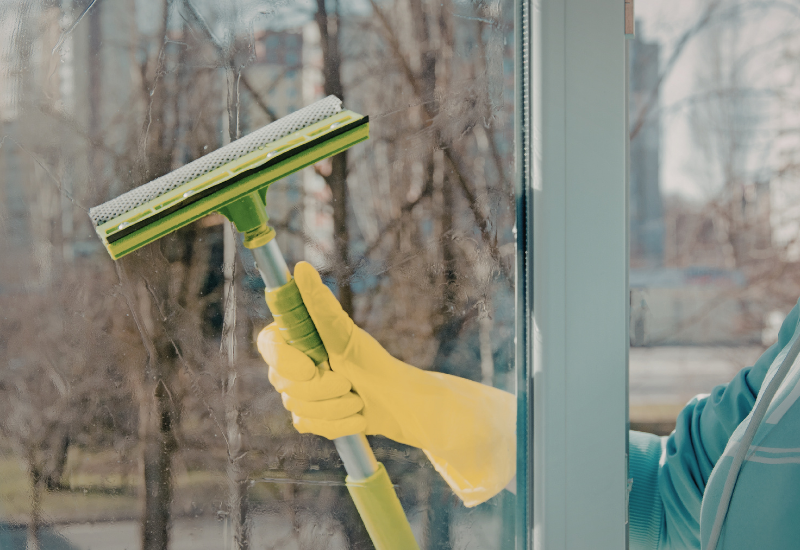
MOM Window Cleaning Rules: The “Grilles & Supervision” Mandate
MOM regulations are very specific about when and how a domestic helper can clean the exterior of windows. These rules apply to all buildings that are not on the ground level.
The Three Golden Rules for Exterior Cleaning:
-
Window Grilles Must Be Installed: Exterior cleaning is only permitted if the window is fitted with grilles.
-
Grilles Must Be Locked: The grilles must remain locked at all times while the helper is cleaning the exterior surface.
-
Adult Supervision: The employer, or an adult representative of the employer, must be physically present to supervise the helper during the process.
Important: If a window does not have grilles, the helper is strictly prohibited from cleaning the outside of that window.
Safe Laundry Practices for High-Rise Living
Hanging laundry on bamboo poles or outdoor racks is another high-risk task. In 2026, MOM continues to emphasize these safety “Must-Dos”:
-
Feet on the Floor: Helpers must keep both feet firmly on the floor at all times. They should never stand on chairs, stools, or ladders to reach the laundry rack.
-
No Overextending: Helpers should never lean their bodies out of the window to reach further.
-
Heavy Items Near the Bracket: Place heavier wet laundry (like jeans or towels) closer to the wall bracket to reduce the physical strain and leverage required to maneuver the poles.
-
Weather Vigilance: If it is very windy or raining heavily, laundry should be moved indoors or left until the weather clears. Strong gusts can easily pull a helper off balance.
Electrical, Fire, and Home Safety
Beyond heights, a safe home involves proper training on modern appliances:
-
Appliance Orientation: Many helpers come from rural areas where high-wattage electrical appliances are less common. Show them how to use the microwave, induction stove, and iron safely.
-
The “Wet Hands” Rule: Strictly forbid touching plugs, switches, or appliances with wet hands to prevent electrocution.
-
Stove Safety: Remind helpers never to leave an active stove unattended and to keep flammable items (like paper towels or oil) away from open flames.
The Legal Consequences of Negligence
The Singapore government takes MDW safety with extreme seriousness.
-
Fines & Jail: Employers can be fined up to S$10,000 and/or jailed for up to 12 months for failing to provide a safe working environment.
-
Case Study: In a landmark case, an employer was fined S$46,000 for allowing a helper to clean windows from a dangerous height without proper safety equipment.
The Safety Agreement: Your Professional Promise
Every employer and MDW must sign a Safety Agreement when a contract is signed or renewed.
-
Native Language: The agreement is available in the helper’s native language (e.g., Tagalog, Bahasa Indonesia, Burmese) to ensure they fully understand their right to work safely.
-
Mutual Understanding: This document ensures that both you and your helper are aware of the MOM rules regarding window cleaning and laundry.