

Updated 04 November 2025
Hong Kong’s typhoon season typically runs from June to October, with strong tropical cyclones posing risks to both residents and domestic helpers. When the Hong Kong Observatory (HKO) issues a Typhoon Signal No. 8 (T8) or higher, it means severe winds are expected and the city should take full safety precautions.
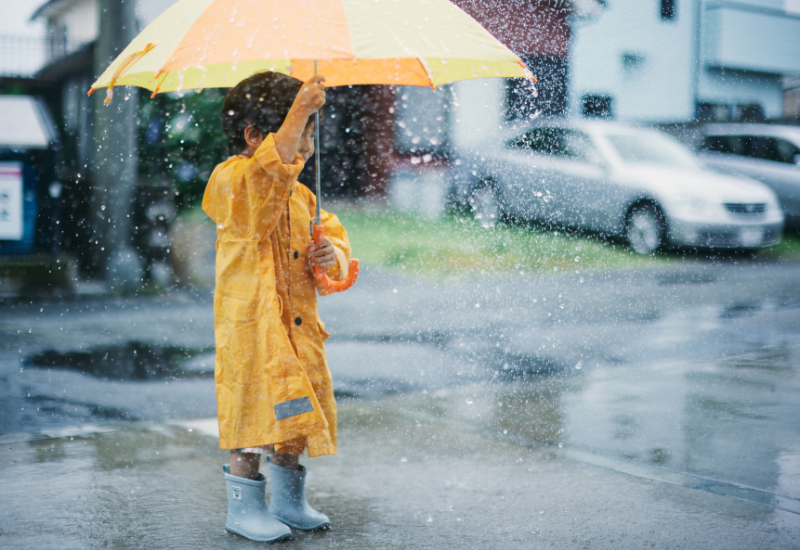
Precautionary measures for strong typhoons
- Stock up on essentials – Make sure you have enough food and essential groceries at home. Plan beforehand, as most stores and supermarkets will close if the Typhoon Signal Number 8 (or higher signal) is hoisted. Keep an eye on the Hong Kong Observatory’s website for T8 (strong typhoon) warnings, and follow the news if possible.
- Secure outdoor items – Make sure that all loose objects outside, whether on balconies, verandas, or rooftops, are secure. Bring flower pots and other things that can be blown away inside, and secure anything that could blow over in strong winds. If possible (and only if there is plenty of time), clear outside drains to avoid them overflowing.
- Remember to stay inside as the typhoon approaches! Keep away from exposed, large windows and doors, and even close doors inside the house so they don’t slam shut. Make sure that kids are in the least exposed part of the house.
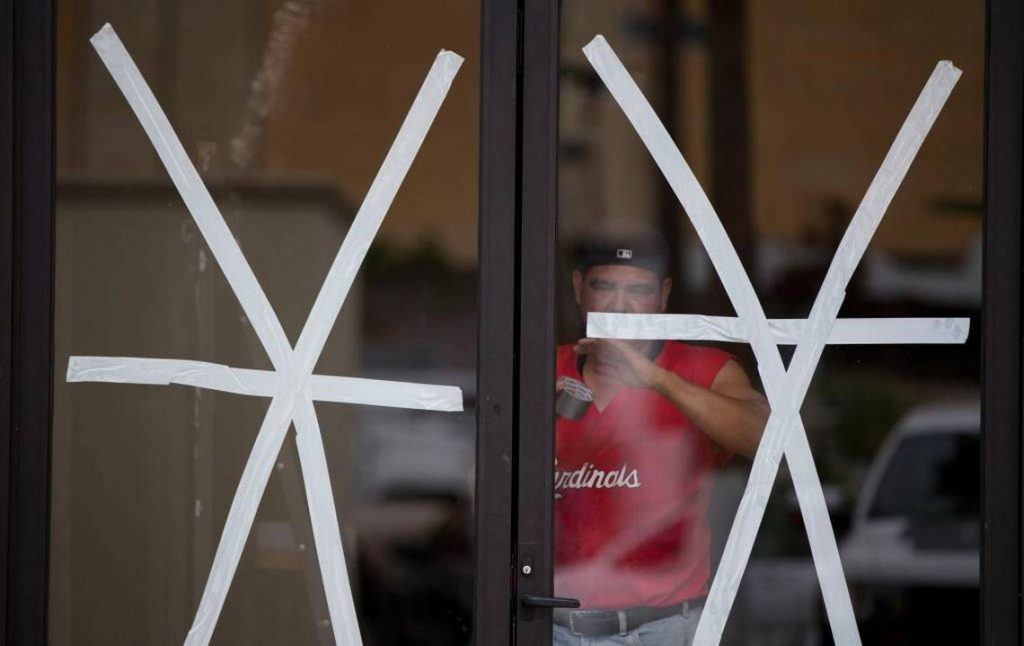
You can fix adhesive tape to exposed windows so that if they do break, they will not shatter into tiny pieces.
Domestic Helper Work Arrangements During Typhoon Signals
When a Typhoon Signal No. 8 or higher is in effect, both employers and domestic helpers must prioritize safety over household work.
If a T8 Signal Falls on a Helper’s Rest Day
The Hong Kong Labour Department advises employers to be flexible and understanding:
- Encourage your helper to stay home for safety.
She may take her rest day at home instead of going out. You cannot ask your helper to work if she chooses to rest at home — even if she remains indoors. - Offer to reschedule the rest day.
Discuss rearranging her rest day to another date, especially if your household needs assistance during the typhoon. This must be mutually agreed, not imposed. - If she chooses to go out, remind her of safety risks.
Advise your helper to avoid outdoor areas, coastal promenades, or ferries during T8 or T9 conditions. Under Hong Kong law, you are still responsible for her medical expenses if she is injured on her rest day.
After the Typhoon – Returning to Normal Safely
Once the HKO lowers the signal to T3 or below:
- Allow your helper reasonable time to return if she was outside during T8.
- Be patient — public transport services may take time to resume.
- Check for damages or water leaks before assigning post-typhoon cleaning tasks.
Typhoons as part of Hong Kong Life
Typhoons are part of life in Hong Kong — but with preparation, clear communication, and mutual respect, you can keep everyone safe.
As an employer, remember that your domestic helper’s safety is your responsibility, both legally and ethically. Showing care during emergencies builds trust and loyalty that lasts far beyond typhoon season.
At HelperChoice, we believe that responsible, ethical employment includes caring for your helper’s safety, well-being, and rights all year round.
👉 Need reliable guidance or want to hire a verified domestic helper in Hong Kong?
Visit www.helperchoice.com to access trusted profiles and resources for fair, safe, and transparent domestic employment.
Stay informed. Stay safe. Care for your helper — even when the winds get strong.